
5 Critical Electrical Panel Mistakes Every Homeowner Should Avoid
Understanding Your Panel’s Role in Home Safety
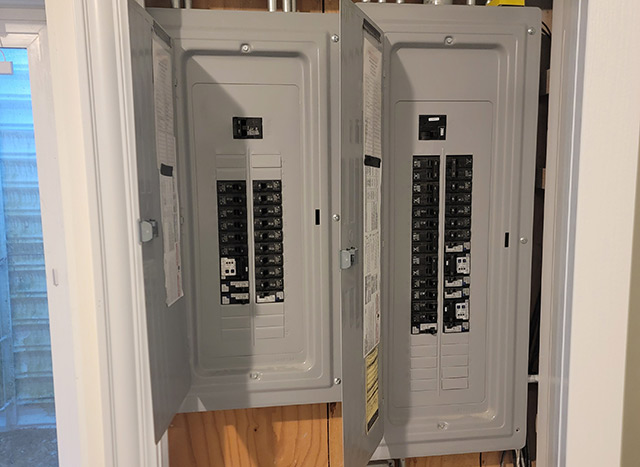
Your electrical panel serves as the central nervous system of your home, distributing power safely to every outlet, appliance, and fixture. Yet many homeowners unknowingly make critical mistakes that compromise their family’s safety and risk expensive damage to their property. Whether you are living in an older Ponchatoula home with original wiring or a newer construction, understanding these common errors can prevent house fires, electrical shocks, and system failures.
Louisiana’s humid climate and frequent storms place additional stress on electrical systems, making proper panel maintenance and upgrades even more essential. Homeowners searching for ways to improve electrical safety, prevent breaker trips, or understand when to upgrade their panel will find practical guidance in this comprehensive overview. These five mistakes represent the most frequent and dangerous errors that professionals encounter in residential properties throughout the Ponchatoula area.
Taking proactive steps to address these issues protects your investment, ensures code compliance, and provides reliable power for modern household demands. From outdated equipment to improper installations, each mistake carries serious consequences that extend beyond inconvenience to genuine safety hazards.
Mistake 1: Ignoring Warning Signs of Panel Failure
The first and most dangerous mistake homeowners make is dismissing early warning signs that indicate serious panel problems. Frequently tripping breakers, flickering lights, buzzing sounds from the panel, burning smells, or discolored breaker switches all signal immediate attention is needed. These symptoms indicate your system is struggling to handle electrical loads or experiencing dangerous conditions that could lead to fire.
In Ponchatoula’s humid environment, moisture infiltration into panels creates additional risks including corrosion, rust, and compromised connections. When water enters the panel box through gaps or condensation, it accelerates deterioration and creates conditions for dangerous arcing. Homeowners who notice any moisture around their panel should arrange for immediate professional evaluation.
Ignoring these warnings often stems from hoping the problem will resolve itself or underestimating the urgency. A breaker that trips occasionally may seem like a minor nuisance, but it indicates either circuit overload or a failing breaker that no longer provides proper protection. Similarly, a panel that feels warm to the touch or emits any unusual odors requires urgent assessment to prevent potential fire hazards.
Regular visual inspections of your panel can catch problems early. Look for rust, corrosion, loose wires visible around breakers, or any signs of heat damage such as discoloration on the panel cover or surrounding wall. Document these observations and contact qualified professionals who can perform thorough diagnostics and recommend appropriate solutions.
Mistake 2: Continuing to Use Outdated or Recalled Panels
Many Ponchatoula homes still operate with panels installed decades ago, designed for electrical demands far below what modern households require. Panels from the 1960s through 1980s typically provided 60 to 100 amps of service, adequate when homes had fewer appliances and no computers, smart devices, or charging stations. Today’s homes commonly need 200-amp service to safely power HVAC systems, kitchen appliances, entertainment systems, and electric vehicle chargers.
Certain panel brands have been identified as particularly problematic and should be replaced immediately. Federal Pacific Electric (FPE) panels and Zinsco panels have documented failure rates significantly higher than modern equipment. These panels often fail to trip during overload conditions, allowing dangerous levels of current to flow unchecked through your home’s wiring. Insurance companies frequently require replacement of these panels, and their presence can complicate home sales.
Beyond capacity issues, older panels lack modern safety features such as arc-fault circuit interrupters (AFCIs) and ground-fault circuit interrupters (GFCIs) now required by electrical codes. These protective devices prevent electrical fires and shock hazards that older equipment cannot address. Upgrading to a modern panel with these features significantly improves household safety and brings your system into compliance with current standards.
The investment in a panel upgrade provides returns through improved safety, increased home value, lower insurance premiums, and the capacity to add new electrical features without concern. Professional electricians can assess your current panel, calculate your actual electrical loads, and design an upgrade that meets both present needs and future expansion.
Mistake 3: Attempting DIY Panel Work Without Proper Training
The proliferation of online tutorials has encouraged some homeowners to attempt panel work themselves, a decision that creates serious safety and legal consequences. Working inside an electrical panel exposes individuals to potentially lethal voltages, and mistakes can result in immediate electrocution, fires, or long-term hazards that may not manifest until months or years later. Even seemingly simple tasks like replacing a breaker involve risks that require professional training and proper safety protocols.
Beyond immediate safety concerns, unauthorized work on electrical panels violates building codes and can void homeowner’s insurance policies. When inspectors discover unpermitted electrical work during home sales or renovations, sellers must hire licensed professionals to verify and often redo the work to obtain necessary permits. This creates delays, additional expenses, and potential liability issues that far exceed the cost of hiring qualified electricians initially.
Licensed electricians bring expertise that extends beyond technical skills. They understand local codes, proper materials for Louisiana’s climate conditions, load calculations, and safety testing procedures that ensure installations function correctly under all conditions. Their work comes with permits, inspections, and warranties that protect homeowners and provide documentation for insurance and resale purposes.
The temptation to save money through do-it-yourself electrical work rarely delivers actual savings when considering the risks, potential for costly mistakes, and the value of professional guarantees. For residential electrical needs, partnering with qualified professionals ensures work meets all safety standards and performs reliably for decades.
Mistakes 4 and 5: Overloading Circuits and Skipping Professional Inspections
The fourth critical mistake involves overloading your panel by adding too many circuits or using tandem breakers to squeeze additional circuits into spaces not designed for them. Every panel has a maximum number of circuits it can safely accommodate based on the bus bar design and overall amperage rating. Installing more circuits than specified creates overcrowding, heat buildup, and stress on connections that can lead to failure. Some homeowners or unqualified contractors install double-tap breakers where two wires connect to a single breaker not rated for that configuration, creating serious fire risks.
In areas like Ponchatoula where summer air conditioning runs continuously and humidity drives constant dehumidifier operation, overloaded panels become particularly dangerous. The sustained high loads generate heat that accelerates deterioration of connections, insulation, and breaker mechanisms. Properly calculating your household’s electrical demands and ensuring your panel can handle peak loads prevents these dangerous conditions.
The fifth mistake centers on neglecting regular professional inspections. Unlike visible home systems, electrical panels operate behind closed doors where problems develop unnoticed until they cause failures. Scheduling periodic inspections allows electricians to identify loose connections, corrosion, outdated components, and capacity issues before they create emergencies. These preventive evaluations prove especially valuable in Louisiana where storms, lightning strikes, and power surges stress electrical systems beyond normal operating conditions.
Professional electricians use thermal imaging cameras to detect hot spots invisible to the naked eye, test breakers to verify they trip at proper thresholds, and assess whether your system meets current codes. They can also evaluate whether your grounding and bonding systems provide adequate protection and recommend upgrades that improve safety and performance.
Homeowners throughout Ponchatoula, Hammond, Covington, and surrounding communities rely on qualified professionals for panel evaluations and upgrades. These services ensure your home’s electrical foundation supports modern living safely and efficiently. When you notice any warning signs, plan renovations that add electrical loads, or simply want peace of mind about your system’s condition, professional assessment provides clarity and solutions.
Addressing these five mistakes requires partnering with experienced electricians who understand local conditions, current codes, and best practices for residential installations. The professionals at G&R Professional Services bring decades of combined experience to every project, ensuring your electrical panel functions safely and reliably. Their thorough approach includes comprehensive evaluations, detailed explanations of findings, and clear recommendations that help you make informed decisions about your home’s electrical infrastructure.
Whether your situation requires a complete panel replacement, targeted repairs, or capacity upgrades to support new appliances, qualified electricians deliver solutions that protect your family and property. Their work meets all permitting requirements, passes inspections, and comes with guarantees that provide long-term confidence in your electrical system’s safety and performance.